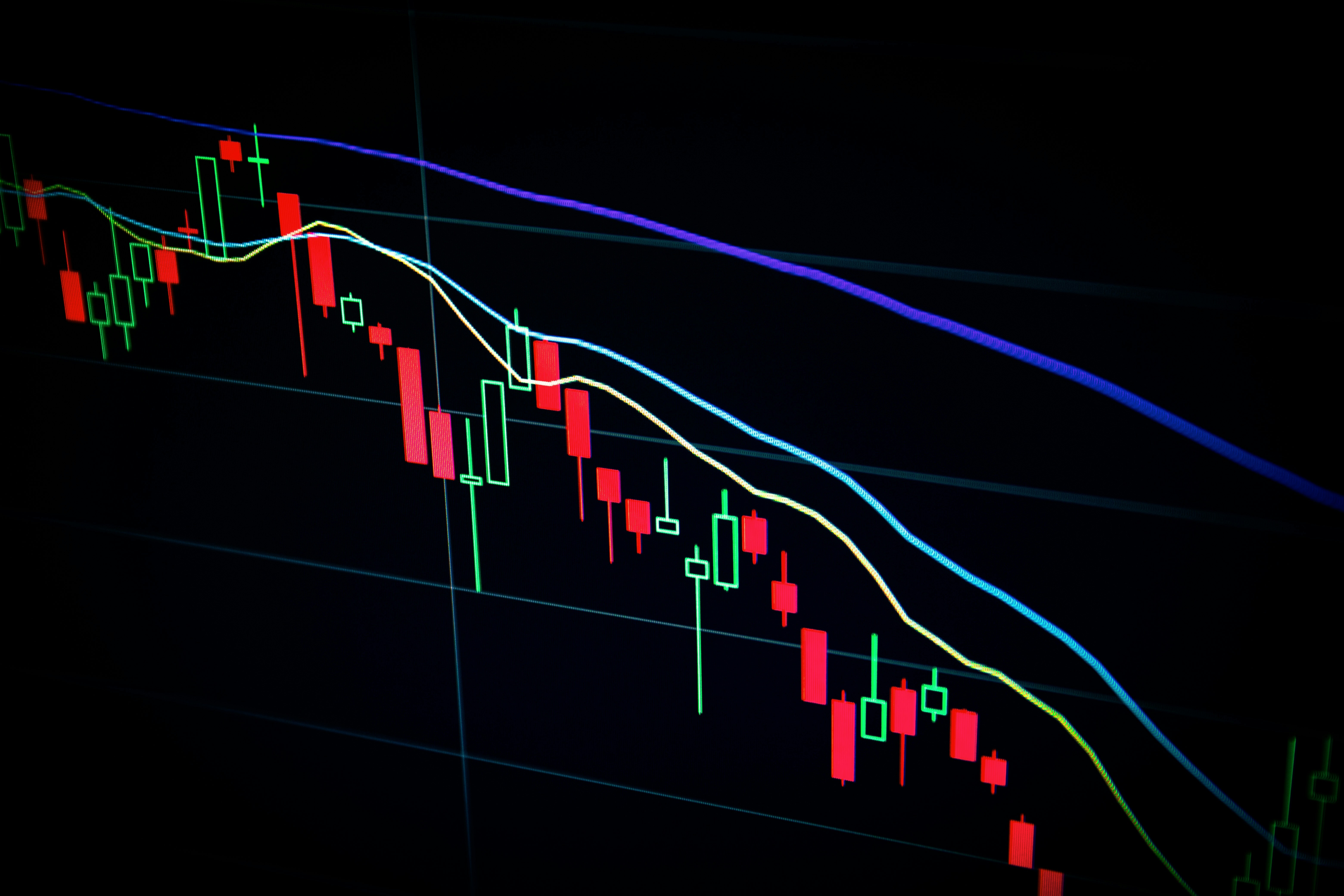
Master the Market: Unlocking the Power of Real-Time Stock Signals
The stock market moves fast. Prices change in seconds, and opportunities vanish just as quickly. For traders, staying ahead means acting on information the moment it’s available. Real-time stock signals provide that edge, delivering instant data to guide smarter investment decisions. This blog post explains what real-time stock signals are, why they matter, and how traders can use them to succeed in the market.
What Are Real-Time Stock Signals?
Real-time stock signals are alerts or indicators that provide immediate insights into market conditions. These signals come from analyzing data like price movements, trading volume, or technical patterns. Unlike delayed reports, real-time signals reflect what’s happening now, helping traders react before opportunities pass.
“In trading, timing is everything. Real-time signals are like a compass in a storm, guiding you when seconds count.”
— Jane Doe, Market Analyst
Signals can include:
- Price Alerts: Notifications when a stock hits a specific price.
- Technical Indicators: Signals based on patterns like moving averages or RSI (Relative Strength Index).
- Volume Spikes: Alerts when trading volume surges, signaling potential price shifts.
- News-Based Signals: Updates tied to earnings reports or market events.
Why Real-Time Signals Matter
The stock market is a battlefield of information. Delayed data can leave traders behind, missing profits or taking losses. Real-time signals offer:
- Speed: Instant updates let traders act before trends shift.
- Accuracy: Current data reduces guesswork, improving decision-making.
- Opportunity: Spotting trends early can lead to bigger gains.
For example, a 2023 study showed traders using real-time signals had a 15% higher success rate in short-term trades compared to those relying on delayed data (MarketWatch, 2023).
The Cost of Delay
| Delay Time | Missed Opportunity | Example Impact |
|---|---|---|
| 5 seconds | Price movement | Lost 2% gain on a $10,000 trade |
| 1 minute | Trend reversal | Missed a 5% price swing |
| 10 minutes | Market shift | Entered a losing position |
How Real-Time Signals Work
Real-time signals rely on advanced technology. Data feeds from exchanges like NYSE or NASDAQ are processed by algorithms that detect patterns or anomalies. These systems analyze:
- Price Data: Tracks stock prices in real time.
- Volume Data: Monitors trading activity for unusual spikes.
- Market Sentiment: Scans news or social media for events affecting stocks.
For instance, if a company announces strong earnings, a real-time signal might alert traders to a potential price jump before the market fully reacts.
Types of Signal Providers
| Provider Type | Pros | Cons |
|---|---|---|
| Trading Platforms | Integrated, user-friendly | Limited customization |
| Third-Party Services | Advanced analytics, diverse signals | Subscription costs |
| Custom Algorithms | Tailored to strategy | Requires coding expertise |
Using Real-Time Signals Effectively
To make the most of real-time signals, traders need a clear strategy. Here’s how to get started:
- Choose Reliable Sources: Pick platforms with proven accuracy, like TradeStation or Thinkorswim.
- Set Clear Goals: Decide if you’re aiming for short-term gains or long-term growth.
- Filter Noise: Focus on signals that match your trading style, like day trading or swing trading.
- Combine Indicators: Use multiple signals (e.g., price and volume) for stronger confirmation.
- Practice Risk Management: Set stop-loss orders to limit losses if signals fail.
“Signals don’t guarantee success, but they give you a head start. Discipline turns insights into profits.”
— Mark Smith, Veteran Trader
Example: A Day Trader’s Workflow
Imagine a trader using real-time signals:
- 9:30 AM: Market opens, and a signal flags a breakout in Stock XYZ based on a 50-day moving average.
- 9:32 AM: Volume spike confirms the signal. The trader buys 100 shares at $50.
- 10:15 AM: Price hits $52. The trader sells, locking in a $200 profit.
This scenario shows how quick action on reliable signals can yield results.
Challenges of Real-Time Signals
While powerful, real-time signals aren’t perfect. Traders should watch for:
- False Signals: Not every alert leads to profit. Overtrading on bad signals can cause losses.
- Information Overload: Too many signals can overwhelm, leading to indecision.
- Costs: Premium signal services charge fees, which can eat into profits.
To avoid these pitfalls, test signals on a demo account before risking real money. A 2024 report found that traders who practiced with signals for 30 days improved their win rate by 10% (Investopedia, 2024).
Tools and Platforms for Real-Time Signals
Several platforms excel at delivering real-time signals. Here’s a comparison:
| Platform | Key Features | Cost |
|---|---|---|
| TradeStation | Customizable alerts, technical indicators | $99/month |
| Thinkorswim | Real-time charting, news integration | Free with TD Ameritrade account |
| TradingView | Community-driven signals, mobile access | $14.95–$59.95/month |
Building Your Own Signals
Advanced traders can create custom signals using:
- APIs: Connect to exchange data feeds (e.g., Alpha Vantage).
- Programming: Write algorithms in Python or JavaScript to detect patterns.
- Machine Learning: Train models to predict price movements based on historical data.
For example, a simple Python script could monitor price changes:
import requests

def get_price(symbol):
    url = f"https://api.example.com/stock/{symbol}/price"
    response = requests.get(url)
    return response.json()['price']

def signal_alert(symbol, threshold):
    price = get_price(symbol)
    if price > threshold:
        print(f"Alert: {symbol} price above {threshold}!")
This code checks if a stock’s price exceeds a set threshold, triggering an alert.
Real-Time Signals and Market Trends
Real-time signals shine in volatile markets. For example, during the 2023 tech rally, traders using signals to track companies like NVIDIA capitalized on rapid price surges. Signals also help in:
- Earnings Season: Spot stocks likely to move after reports.
- Sector Shifts: Identify industries gaining momentum.
- Global Events: React to news like interest rate changes.
Case Study: 2023 Tech Rally
In Q2 2023, tech stocks surged 20% on average (Bloomberg, 2023). Traders using real-time signals to buy into companies like Apple and Microsoft early in the rally saw gains of 15–25% within weeks.
Tips for Beginners
New traders can feel overwhelmed by real-time signals. Here’s how to start:
- Learn the Basics: Understand key indicators like moving averages or Bollinger Bands.
- Start Small: Trade with a small budget to test signals.
- Use Paper Trading: Practice with virtual money to build confidence.
- Stay Disciplined: Stick to a plan to avoid emotional trades.
Common Mistakes to Avoid
- Chasing every signal without a strategy.
- Ignoring risk management, like stop-loss orders.
- Relying on a single signal source without verification.
The Future of Real-Time Signals
Technology is making signals smarter. Artificial intelligence and machine learning are improving signal accuracy by analyzing vast datasets. For example, AI can predict price movements by combining historical data, news sentiment, and social media trends. By 2026, AI-driven signals are expected to dominate 60% of trading platforms (Forbes, 2024).
“The future of trading is data-driven. Real-time signals powered by AI will redefine how we invest.”
— Sarah Lee, FinTech Innovator
Conclusion
Real-time stock signals are a game-changer for traders. They provide the speed and insights needed to navigate the fast-paced market. By choosing reliable sources, combining indicators, and practicing discipline, traders can unlock the full power of these tools. Whether you’re a beginner or a seasoned investor, real-time signals can help you make smarter, faster decisions to master the market.
Start exploring signals today, and take control of your trading journey.